
In the diverse and culturally rich landscape of India, gemstones are more than just decorative ornaments; they are symbols of status, health, and spiritual alignment. Among the “Navratnas” (nine gems), the Pearl, or Moti, holds a unique position as the “Queen of Gems.” Unlike diamonds or rubies that are mined from deep within the earth, pearls are the only gemstones created by living organisms.
If you are planning to invest in a pearl for jewelry or astrological purposes, understanding the real pearl cost in India is essential. The market is flooded with synthetic imitations, making it vital for consumers to know the original pearl rate in india and how to distinguish genuine quality from plastic beads.
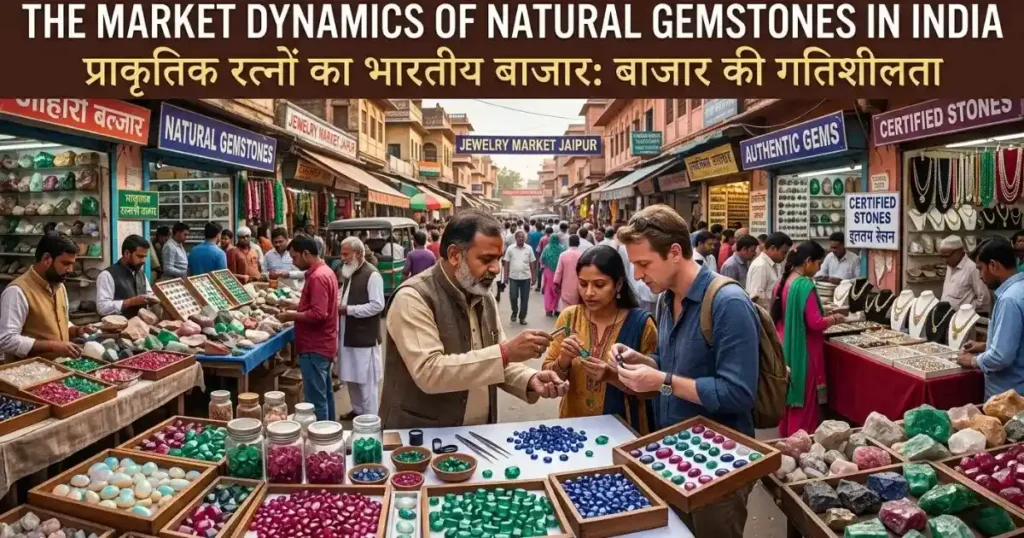
1. The Market Dynamics of Natural Gemstones in India
India is one of the world’s largest consumers of natural gemstones. The Indian gemstone market in 2026 is characterized by a blend of traditional retail and highly transparent e-commerce platforms. While diamonds and emeralds often dominate the headlines, the demand for natural pearls has seen a 15% year-on-year growth.
The value of natural gemstones is driven by the “4 Cs”—Color, Clarity, Cut, and Carat weight. However, for pearls, we look at the GIA 7 Value Factors: Size, Shape, Color, Luster, Surface, Nacre, and Matching.
2. Real Pearl Cost in India: A Price Analysis (2026)
When discussing the original pearl rate in india, it is important to distinguish between the two main categories: Freshwater and Saltwater pearls.
A. Freshwater Pearls (River Pearls)
These are grown in mussels in lakes and rivers. They are more abundant and therefore more affordable. In 2026, the cost of freshwater pearls is usually calculated per gram
- Standard Quality: ₹250 to ₹500 per gram.
- Premium Round White: ₹600 to ₹1,800 per gram.
- Pink/Lavender Variations: ₹300 to ₹1,000 per gram.
- South Sea Pearls (Luxury Saltwater)
Harvested from the Pinctada maxima oyster, these are the giants of the pearl world. They are priced per carat.
- White South Sea: ₹800 to ₹3,500 per carat.
- Golden South Sea: ₹1,200 to ₹5,000 per carat.
- Large Sizes (15mm+): Can exceed ₹15,000 per carat.
- Basra Pearls (The Rare Antique)
The legendary Basra pearls from the Persian Gulf are nearly extinct in terms of new production. They are sold as investment-grade antiques.
- Estimated Rate: ₹50,000 to ₹5,00,000+ per carat, depending on history and certification.
3. Original Pearl Rate in India: Comparative Pricing Table
To give you a clear picture of the market in 2026, here is a breakdown of rates across different varieties:
| Variety | Unit | Starting Price (INR) | Top Grade Price (INR) |
| Freshwater Round | Per Gram | ₹280 | ₹1,800 |
| Freshwater Oval | Per Gram | ₹180 | ₹800 |
| Akoya (Japanese) | Per Carat | ₹1,000 | ₹6,000 |
South Sea (White) | Per Carat | ₹800 | ₹4,500 |
Tahitian (Black) | Per Carat | ₹600 | ₹3,000 |
| Natural Basra | Per Carat | ₹45,000 | ₹10,00,000+ |
4. Key Factors Affecting the Cost of Pearls
Why does one pearl cost ₹500 while another costs ₹50,000? Several factors come into play:
1. Luster (The Shine)
Luster is the most critical factor. A high-quality pearl should have a sharp, bright reflection. If the surface looks dull or chalky, the real pearl cost in India for that piece will be significantly lower.
2. Surface Quality
Natural pearls are rarely perfect. Small ridges or pits are common. However, the fewer the “beauty marks,” the higher the value.
3. Nacre Thickness
The nacre is the substance that forms the pearl. Thick nacre ensures durability and a deep, “glow-from-within” look. Saltwater pearls generally have thicker nacre than cheap freshwater ones.
4. Size
As pearls increase in size, their price increases exponentially. For example, a 10mm South Sea pearl is significantly more expensive than two 5mm pearls combined.
5. Identifying Original Pearls: How to Avoid Scams
Paying the original pearl rate in India only makes sense if the gemstone is authentic. Follow these professional testing methods:
The “Tooth Test”.
Gently rub the pearl against the biting edge of your front teeth.
- Real: Feels gritty, sandy, or rough (due to crystalline nacre layers).
- Fake: Feels smooth, glassy, or plastic-like.
The Friction Test
Rub two pearls together.
- Real: They will produce a fine white powder and offer slight resistance.
- Fake: They will slide over each other without friction.
Light and Luster
Hold the pearl under a bright lilightA real pearl will show subtle color variations (overtones) like pink, green, or blue on the surface. Fake pearls usually have a flat, uniform color
6. Astrological Benefits of Wearing a Real Pearl
In Indian culture, the pearl is synonymous with the Moon (*Chandra*). It is often recommended by astrologers for the following reasons
- Mental Peace: It calms a restless mind and reduces anxiety.
- Emotional Balance: It helps control anger and improves emotional stability.
- Health Benefits: Believed to aid in curing iinsomnia improving skin glow, and regulating body fluids.
Recommended For: Primarily the Cancer (Karka) zodiac sign, but also beneficial for Aries, Leo, and Scorpio under expert guidance.
7. Buying Guide: Where to Purchase in India?
To get the best real pearl cost in india, you must choose the right location and jeweler.
1. Hyderabad (The City of Pearls): Places like Laad Bazaar and Pathargatta are famous for pearls. However, always stick to certified showrooms like Mangatrai or Jagdamba.
2. Jaipurr: Known for gemstone cutting and polishing, Jaipur offers competitive prices for unmounted, loose pearls for astrology.
3. Online Platforms: Sites like Pure Pearls or GemPundit provide digital certificates and transparent pricing.
8. Certification: The Shield Against Fraud
Never pay the original pearl rate in India without a lab certificate. Look for certificates from:
- GIA (Gemological Institute of America)
- IGI (International Gemological Institute)
- GTL (Gem Testing Laboratory, India)
A ccertificate willconfirm whether the pearl is Natural, Cultured, or Treated.
Pearls are organic and soft (2.5 on the Mohs scale). To protect your investment:
- Wipe after wear: Skin oils and sweat can dull the luster. Use a soft, damp cloth.
- Keep away from chemicals: Perfumes, hairsprays, and detergents can “eat” the nacre.
- Store separately: Do not keep pearls with diamonds or gold jewelry, as they will get scratched. Store them in a silk or cotton pouch.
10. Conclusion: Is Buying a Pearl Worth It?
The real pearl cost in india reflects its rarity and the effort required to produce it. Whether you are buying a ₹2,000 freshwater strand for a gift or a ₹2,00,000 South Sea necklace as an heirloom, the pearl remains a symbol of purity and grace.
In 2026, with the rise of sustainable fashion, pearls have become even more popular as “eco-friendly” gemstones. By understanding the original pearl rate in india and insisting on certification, you can ensure that your purchase is a beautiful and valuable addition to your collection.
FAQs: Real Pearl Cost in India
1. What is the real pearl cost in India?
It ranges from ₹300 to ₹5,00,000+ depending on type and quality.
2. What is the original pearl rate in India?
Original pearls can cost from ₹1,000 to ₹10 lakh or more.
3. Are natural pearls available in India?
Yes, but they are rare and expensive.
4. Which city is famous for pearls in India?
Hyderabad is most famous.
5. How to check if a pearl is real?
Use the tooth test, the weight test, and certification.